Birds

in this area

In the area Kievitsakkers we have different species of birds. Some birds have been coming here for a lot of years, other birds we try to attract through birdhouses. These birds we want in this area for biodiversity.

0

birdhouses for the great tit
0

birdhouses for the blue tit

All birds in this area

In the area Kievitsakkers we have different species of birds. Some birds have been coming here for a lot of years, other birds we try to attract through birdhouses. These birds we want in this area for biodiversity.
Wimpeter nurseries owl walking tour

Stone Owl

The little owl is a real little superhero of the countryside! With its compact size and sharp gaze, it goes hunting every night, catching as many as 30 to 60 mice a week. So this winged mouse catcher is not only cute to look at, but also super handy to have around! He loves an environment with old trees and open fields, where he feels perfectly at home. With his playful whistles and cute appearance, the little owl is a beloved resident of our area. So we are glad he has found his home here!
The kestrel

The kestrel is an impressive hunter often seen over fields, where it hangs silently in the air in search of its prey. With its sharp eyes, it catches an average of 20 to 30 mice a week, making it a valuable help in fighting unwanted rodents. He feels at home in open landscapes and meadows, where he scans his surroundings with his characteristic ‘praying. The kestrel has not yet been spotted in the area, but we hope to welcome this hunter soon.

Blue Tit

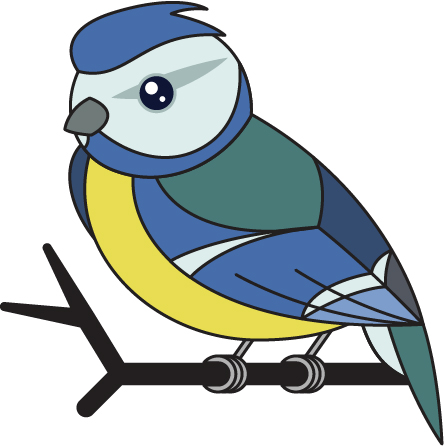
The blue tit is a cheerful and colorful sight in our area. Its distinctive blue and yellow feathers make it easy to spot, and its acrobatic antics in the trees make it a fun sight to watch. This little songbird is not only beautiful, but also very useful. It feeds on insects and larvae, including aphids and caterpillars, which can be harmful to tomato plants, among others. By searching daily for these tiny critters, the blue tit helps keep gardens, orchards and greenhouses healthy. We are pleased that this active and useful bird has found its home here!

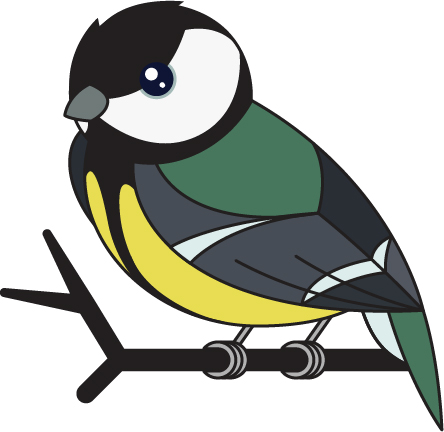
Great Tit

The great tit is a lively and recognizable bird that you often see flitting around gardens and parks. With its black head, white cheeks and yellow and green feathers, it is a striking sight. But this little acrobat is not only beautiful to behold; he is also very useful. In fact, the great tit has a hefty appetite for insects and their larvae, such as caterpillars and aphids, which can otherwise cause damage to plants. By actively hunting daily, it helps keep nature in balance and contributes to a healthy environment. We are glad the great tit has found its place here!

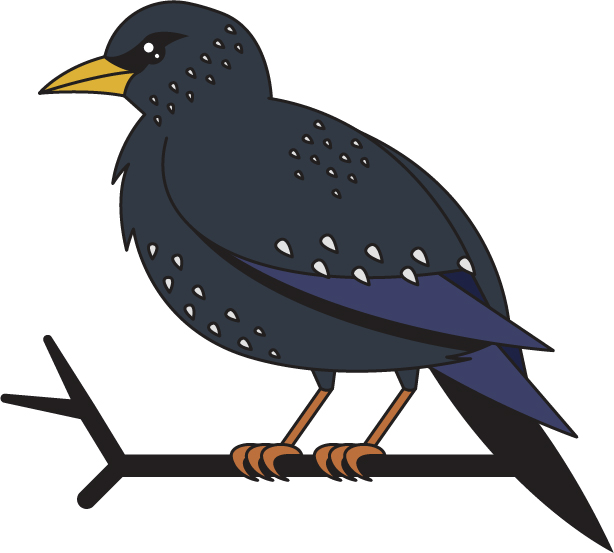
Starling

The starling is a familiar bird often seen in large flocks. Its black feathers, with a subtle purple and green sheen, make it easily recognizable. The starling is an omnivore and feeds on insects such as beetles, flies and caterpillars, among other things, making it useful for controlling insect populations. It also likes to eat berries and fruit, which helps disperse seeds. The starling is a social bird that often congregates in flocks. We are pleased that this practical bird has found its place in our area.

House Swallow

The house martin is a beautiful and useful bird often found around greenhouse areas. With its shiny blue feathers and white belly, it is easy to recognize. This bird helps control flying insects such as mosquitoes and flies, which can be particularly useful in a greenhouse area. Although we have not yet spotted the house martin, we have already put up nest boxes to give them a welcome home. We hope this precaution will attract them and contribute to a healthy balance of insects in the area. We look forward to welcoming house swallows to our neighborhood soon!

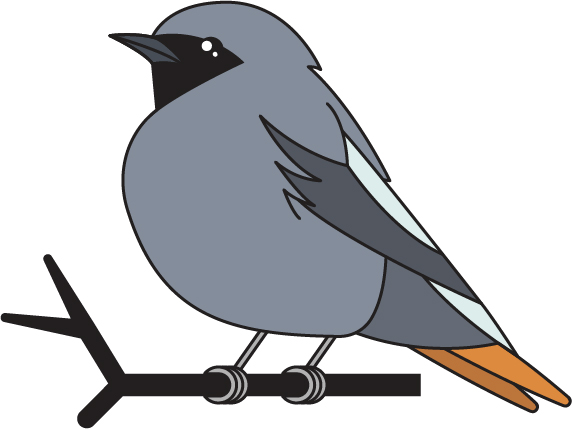
Black Redstart

The Black Redstart is a tough, city-dwelling bird with a surprising red-orange tail that lights up brightly in the sun. He loves walls, old buildings and raids insects like nothing else. Its song sounds like a joyful mix of melodies and scraping tones, always making it stand out. With his twitchy tail and quirky charm, he brightens up any place!

Bats

The bat is a fascinating and useful inhabitant of our area. With its unique appearance and echolocation skills, it plays an important role in insect control. Bats hunt flying insects such as mosquitoes and moths at night, making them especially valuable in maintaining a healthy environment. Although we have not yet spotted the bat, we have already hung a bat box to provide a suitable habitat. We hope this will attract them and they will come to explore our area soon. We look forward to welcoming these helpful nocturnal hunters!

What birdhouses have you all spotted?

A hotel for

swallows

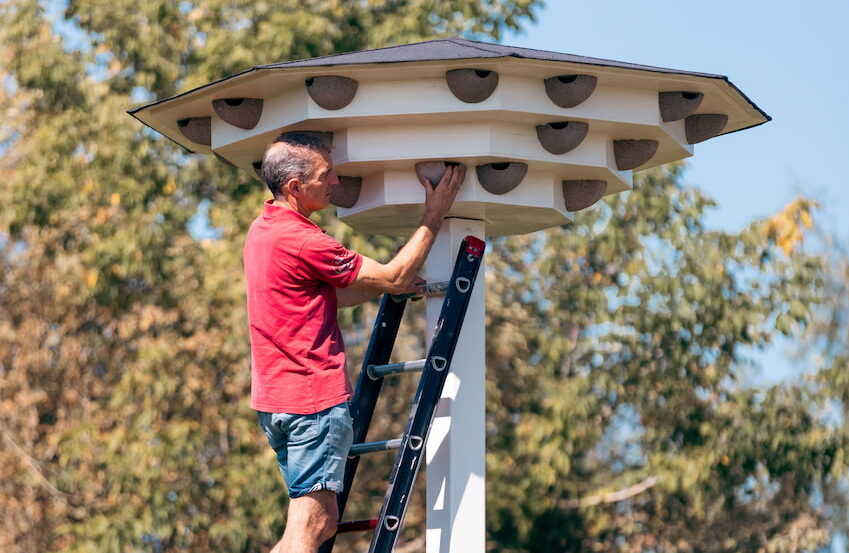
Around our greenhouses, we have put up some cozy swallow hotels! These nesting boxes are like a luxury apartment complex for swallows, complete with multiple ‘rooms’ where they can build their nests. It gives the swallows a safe place to live and we get free insect control in return.

No swallows nested at the hotel in 2024, hopefully we will be able to enjoy them in 2025. The IVN is going to help us with this.

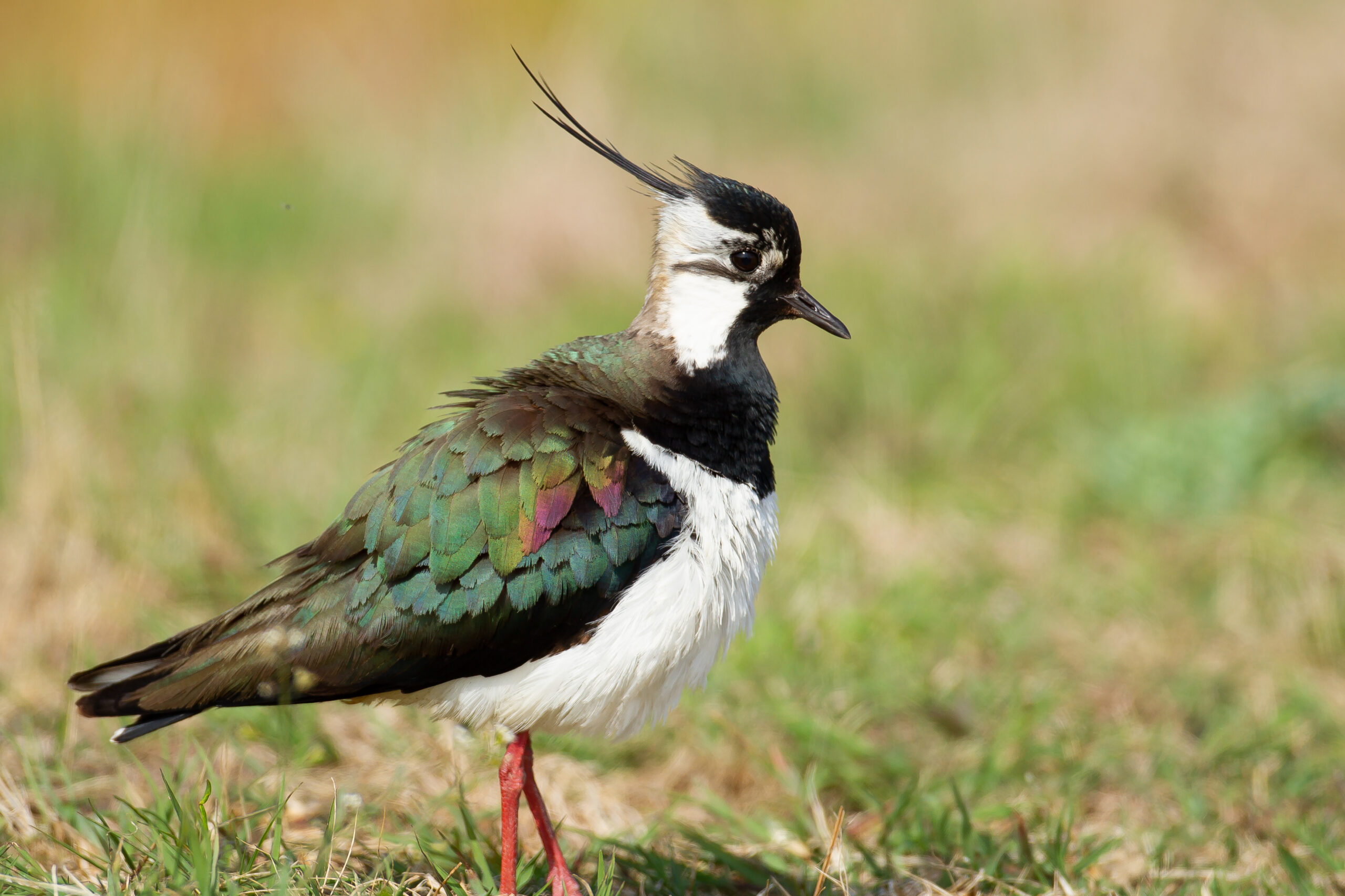
The lapwing

all info at a glance

In this area, we did not put up nesting nests for the lapwing because lapwings do not make their nests in a nesting box, but on the ground. If you follow the hiking trail, pay close attention to your surroundings; chances are you will see one flying. During the breeding season, you can often see them in the meadow, busy looking for food for their young.

More info on our tomatoes?

From small to large.

View our tomatoes View our tomatoes
en_US